Forty-one Oak Park residents lined up to testify on the village's proposed Shape Oak Park zoning overhaul Thursday, Oct. 15, and opponents outnumbered supporters nearly 2-to-1.
Twenty-seven speakers opposed the plan while 14 spoke in favor during the Plan Commission's second public hearing, held at Oak Park and River Forest High School, the Wednesday Journal reported. The 3.5-hour session also featured the first public presentation of a village-commissioned feasibility study that found most new multi-unit housing scenarios would be financially impractical.
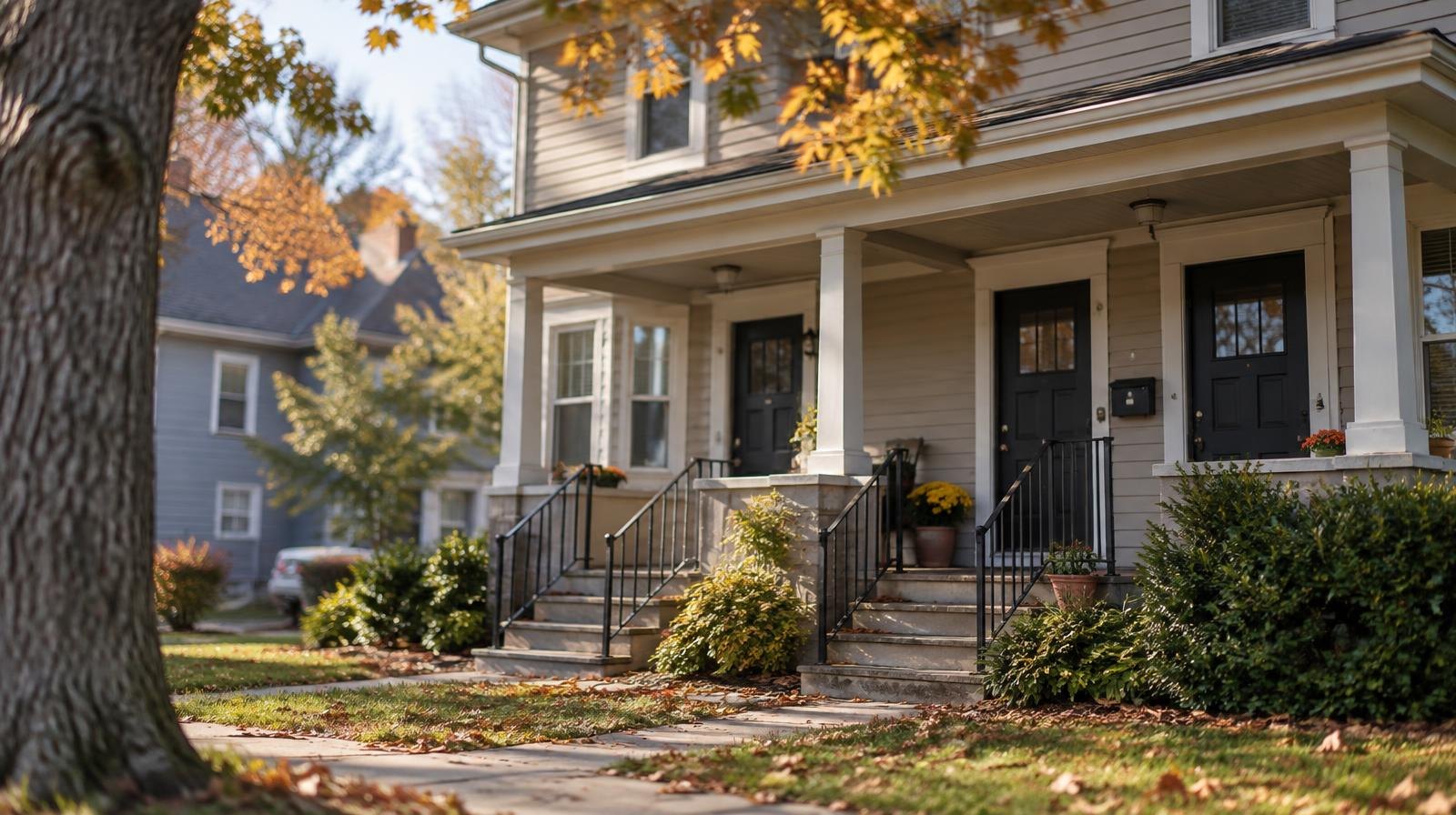
The hearing marked the first time residents could formally weigh in through public comment on the proposed zoning amendments, which would allow duplexes, triplexes, fourplexes and other "middle housing" types in areas now zoned exclusively for single-family homes.
Of the 27 opponents, the Wednesday Journal reported, a majority said they support affordable housing in principle but argued the process is moving too fast without enough data on impacts to infrastructure, schools, traffic and parking. Mike Gift, the first resident to speak, urged commissioners not to approve the package as written.
"Instead, recommend a focused approach around genuinely walkable transit in commercial areas, supported by Oak Park's specific analysis of affordability, parking, traffic, schools, and infrastructure, and with meaningful residential input. Oak Park can grow," Gift said.
Chris Popa told commissioners the village should update its 2014 Envision Oak Park comprehensive plan before rewriting the zoning code. Sanjay Shivpuri called it a "dereliction of your duties" that commissioners had not questioned consultants about the comprehensive plan during earlier presentations.
Not all feedback was critical. David Teeghman, executive committee chair for the Sierra Club's Chicago group, called single-family-only zoning "a tool of segregation" and spoke in support of the proposal. He argued the changes would bring "environmentally friendly, gently housing density to this transit rich community," as the Chicago Tribune reported. His remarks drew a substantial round of booing from the crowd. He concluded with a bow and blew kisses back into the audience.
The feasibility study, conducted by SB Friedman and presented by managing partner Fran Lefor Rood, examined scenarios for converting single-family homes into multi-unit buildings. Demolishing an older home on a lot larger than 6,000 square feet and building a duplex would leave a $220,000 financial gap, requiring monthly rents of $6,600 to $7,500 to break even. A fourplex gap was $170,000, and a sixplex gap was $110,000. Standalone accessory dwelling units were the most feasible option, with a $90,000 gap and expected rent of $1,800 per month.
Lefor Rood said she does not anticipate rapid redevelopment in neighborhoods or corridors if the zoning changes pass.
The next hearing is set for Thursday, Nov. 12 at 7 p.m. at Village Hall, 123 Madison St. Public comment will resume, and 14 residents have already filed for cross-examination of village staff and consultants, a process that allows 15 minutes per speaker instead of the standard three. Plan Commission Chair Mike Sturino said the hearing could extend into December if a decision is not reached in November. After deliberations conclude, the commission will send its recommendation to the Village Board for a final vote.