Oak Park is putting 81 speed cushions and 17 traffic diverters on streets across the village this summer, and officials want to hear from residents before the installations become permanent.
The Village launched an online feedback portal on Wednesday, July 29, where residents can pin location-specific comments on an interactive map, ask questions, and review downloadable PDF maps showing exactly where the new treatments will go. Village Engineer Bill McKenna and Assistant Village Engineer Chris Welch are listed as the staff contacts.
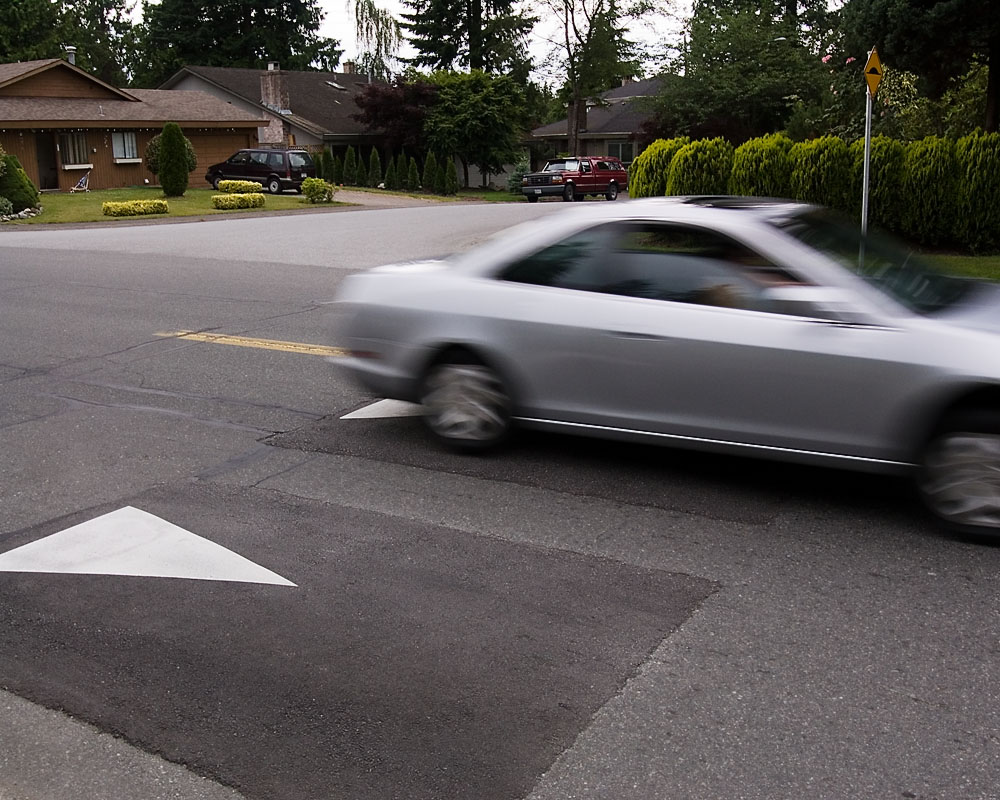
The installations carry out goals from two village plans: the Vision Zero Action Plan and the Bike Plan Update. Speed cushions, raised sections of pavement that force drivers to slow down, are being placed near parks, schools, and along the Neighborhood Greenway network. Before the Vision Zero plan, vertical traffic-calming measures existed only on Oak Park's northernmost and southernmost blocks and a handful of isolated spots.
The 17 traffic diverters are triangular barriers that restrict turns at intersections, typically allowing only right turns. They're meant to cut through-traffic on neighborhood greenways, the low-traffic residential streets prioritized for bicycle travel. The diverters will be installed as temporary measures, and the Village plans to study their effects throughout 2026.
Six residents are already following the project on the portal.
The feedback portal specifically asks residents to help assess the diverters' impact on local traffic patterns. The portal's header image shows a speed cushion already in place on the Thomas Street bike boulevard and neighborhood greenway route.
Funding and context
The installations follow a rocky stretch for Oak Park's traffic-safety funding. The village secured $1.2 million through the federal Safe Streets and Roads for All grant program in 2024 for its Bike Plan, but the federal Vision Zero implementation program was later paused, leaving a $200,000 local match without a federal program to draw on. In response, Oak Park increased local traffic management and Vision Zero funding by roughly $600,000, according to a January 2026 report in Planning magazine.
"This year, we didn't move forward with any [Vision Zero] improvements, because we're still kind of hopeful that something will change, and we'll be able to move forward with the grant," Welch told Planning magazine in January, before the current installation program began.
The village-wide effort is separate from the block-specific traffic calming the Village Board approved Tuesday, July 28, for the 500-600 block of Belleforte Avenue, where a broader plan was scaled back after resident opposition. As we reported July 29, that project was limited to speed feedback signs and targeted police enforcement.
How to participate
Residents can visit engageoakpark.com/traffic-calming-measures to view maps of proposed locations, leave comments tied to specific intersections, or email [email protected] directly. No deadline for the feedback window has been announced; the portal states that diverter impacts will be studied through the end of 2026.