Patients who relied on West Suburban Medical Center for emergency, dialysis, and primary care are now seeking treatment at Rush Oak Park Hospital and other nearby facilities, raising concerns about capacity at hospitals already serving large patient populations. A Chicago Sun-Times investigation published Saturday, July 11, examined the public health fallout, as summarized by Patch.
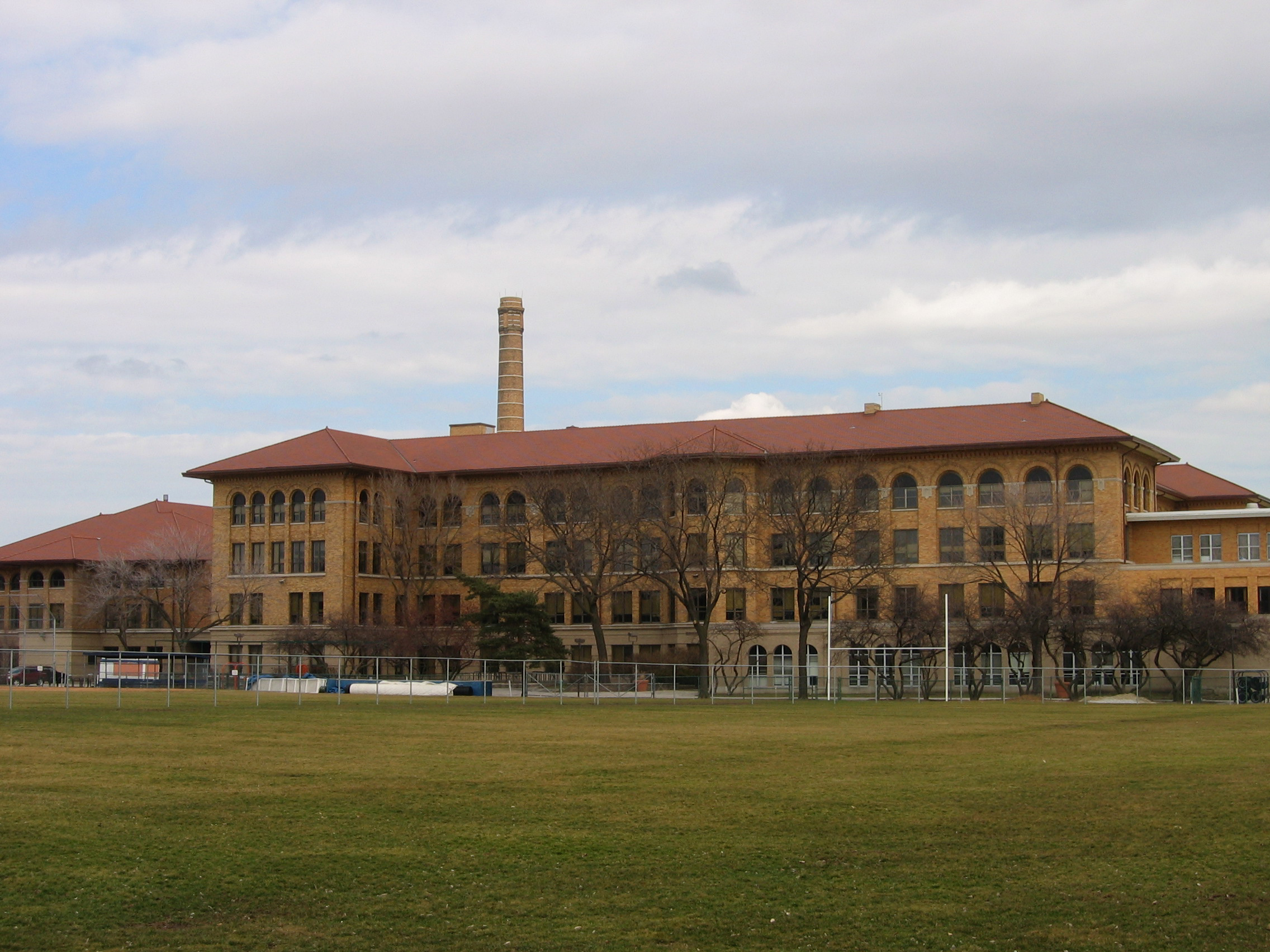
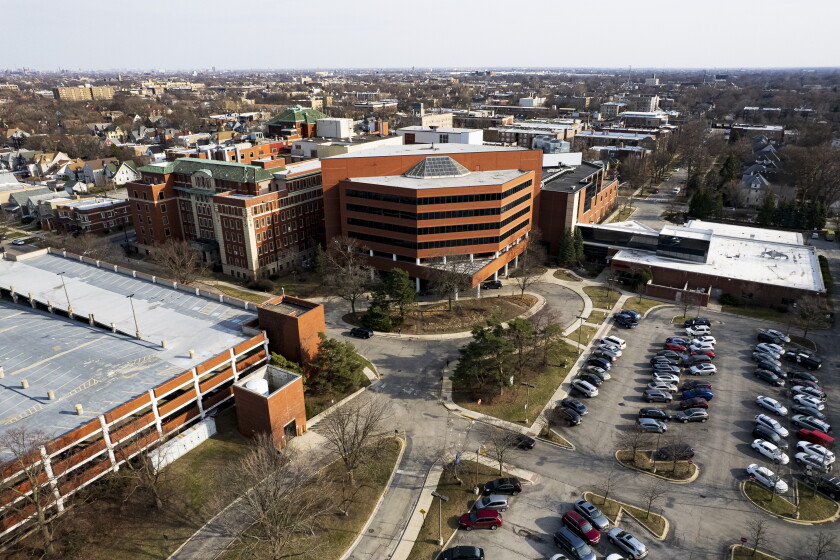
The safety-net hospital at Austin Boulevard stopped most operations in late March after operator Resilience Healthcare, led by CEO Manoj Prasad, said billing problems left it too short on cash to run. The building shut entirely on Friday, June 12, when Oak Park officials ordered it closed after the last functioning elevator failed. Firefighters had been called to help patients stranded on upper floors.
Village spokesperson Erik Jacobsen confirmed the closure and said Oak Park will not allow the building to reopen until at least two elevators pass inspection.
Who lost access
The fallout extends well beyond the ER. A dialysis clinic on the fifth floor had been treating about 140 patients a week. Those patients need treatment three times weekly, four hours per session.
"We've basically been scrambling to move 140 patients," said Dr. George Naratadam, a nephrologist at West Suburban. "They can't really miss dialysis or they could die."
PCC Community Wellness Center, a federally qualified health center that ran two primary care clinics and an OB-GYN practice at West Suburban for 35 years, was also forced out on June 12. Dr. Paul Luning, PCC's chief medical officer, said the displacement significantly decreases access to care for West Side residents the center exists to serve.
The financial wreckage
West Suburban owed Illinois more than $51 million in taxes and penalties at the time of its closure, plus $20 million in state advances meant to stabilize it and its sister facility, Weiss Memorial Hospital in Chicago's Uptown neighborhood, which also shuttered, according to Chicago Tribune reporting. Statewide, 19 hospitals owed the state nearly $705 million in taxes, penalties, and advance payments as of early 2026, per Illinois Department of Healthcare and Family Services data obtained through FOIA requests.
The operator and the building's landlord, Ramco Healthcare Holdings owner Rathnakar Reddy Patlola, have sued each other. Prasad accused Patlola of failing to fix heating, cooling, and elevator systems; Patlola accused Prasad of financial mismanagement. A Cook County Circuit Court judge denied Ramco's emergency motion to appoint a receiver in early June.
State response
Gov. JB Pritzker signed a Medicaid omnibus bill into law in late June creating a new loan program for distressed hospitals. Under the law, hospitals must submit a financial plan and show a "reasonable likelihood" of repayment; unpaid loans become a lien against hospital assets. The state budget also included $118 million in grants to safety-net hospitals.
Dr. Ngozi Ezike, president and CEO of Sinai Chicago, warned that without adequate funding, patients from closed safety-net hospitals will fill other hospitals' waiting rooms, leading to longer waits across the system.
Federal Medicaid cuts signed into law in 2025 under the One Big Beautiful Bill have deepened those fears. Sen. Chapin Rose, the chief budget negotiator for Illinois Senate Republicans, called the statewide hospital debt situation "pretty alarming," telling the Tribune that taxpayers are left holding the bag when hospitals go out of business.
What comes next
The West Suburban building remains closed to the public, with only security and maintenance workers allowed inside. No village board hearing on the site's future has been publicly scheduled. The 140 dialysis patients Dr. Naratadam scrambled to relocate still need treatment three times a week.