A River Forest neighborhood leader is pushing back on Village President Cathy Adduci's characterization of the Madison-Ashland development approval as a community win, calling it "merely damage control" and identifying what she says are contradictions in the conditions attached to the 4-3 vote.
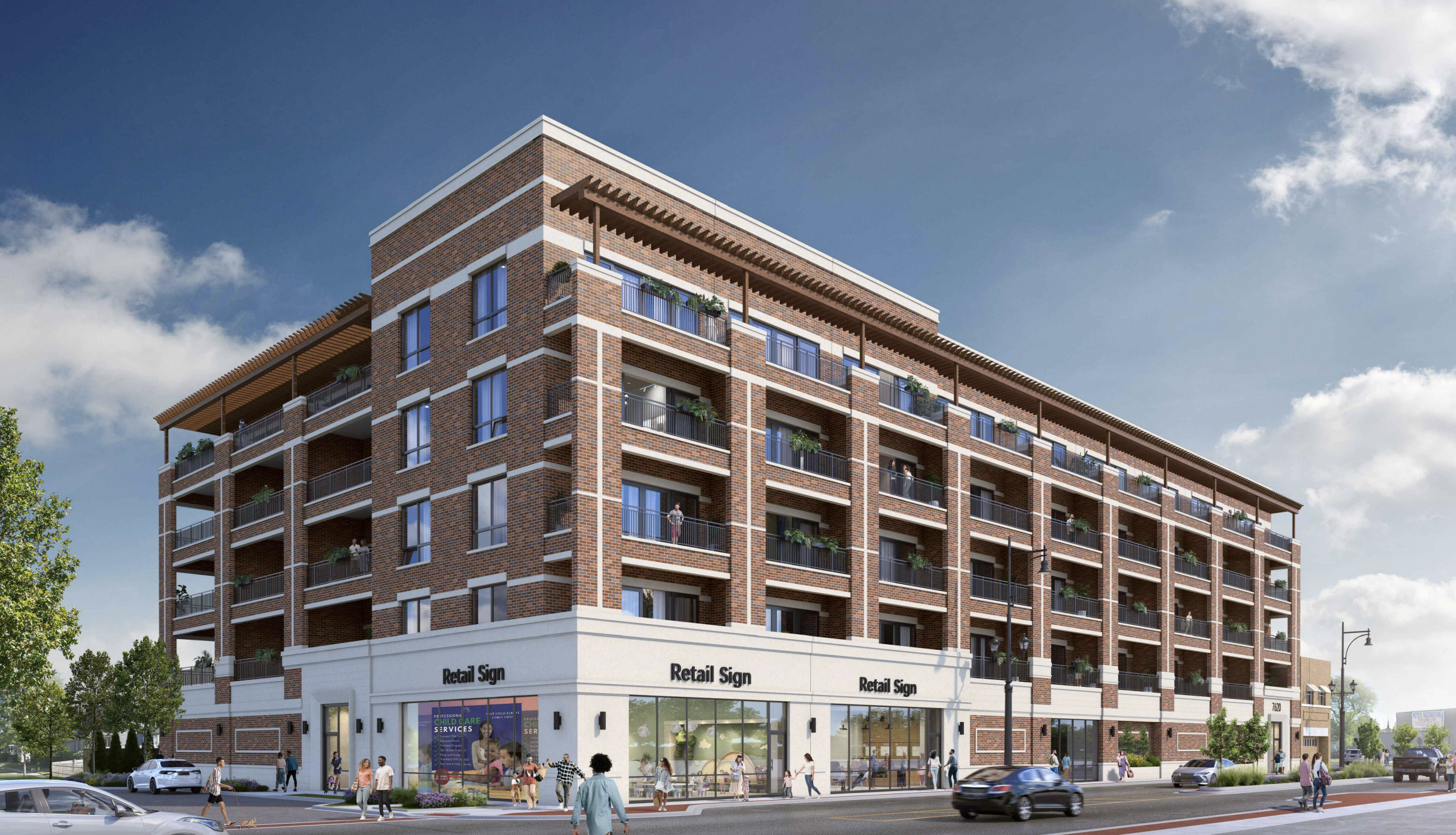
Deborah Borman, who owns one of 22 single-family homes inside the Madison Street TIF district, published an op-ed in the Wednesday Journal on Tuesday, Aug. 25, laying out specific challenges to the approval of a five-story, 69-unit building at 7620 Madison St. by Chicago-based Five Thirty-One Partners.
Her central argument: the village's Development Review Board found "no adverse effects" from the project while simultaneously granting zoning variances in all 11 required categories and attaching what Borman says is a $300,000 "neighborhood impact fund" as a condition of approval.
"If that is the official position, residents inside the TIF deserve a straight answer: what harm is this fund meant to fix, who gets paid, and why was approval granted before those answers were settled?" Borman wrote.
The vote and its aftermath
The River Forest Village Board approved the planned development permit on Tuesday, Aug. 18, after a five-and-a-half-hour meeting at Trinity High School's Fox Auditorium. Adduci cast the deciding vote at roughly 12:30 a.m. Trustees Lisa Gillis, Robert O'Connell and Respicio Vazquez voted in favor; trustees Katie Brennan, Erika Bachner and Megan Keskitalo voted against.
Of 18 residents who spoke during public comment, only one supported the project.
The next morning, Adduci sent a community email describing the approval as "an important step forward" that would "stabilize our property taxes" and bring "renewed energy to a long-vacant property."
Borman's specific critiques
Borman, who moved to River Forest in July 2021 and formed a neighborhood organization after learning her home sat inside the TIF, outlined three areas she says remain unresolved:
Fiscal transparency. The village has projected $25 million in property taxes over 30 years, with $7.5 million flowing to Oak Park and River Forest High School District 200 and $11.4 million to River Forest School District 90, according to Forest Park Review reporting. But Borman argues those figures omit net fiscal benefit after TIF incentives, school set-asides and public costs. The land sale price is $10, with up to $2 million in TIF-eligible reimbursement to the developer.
Conditions she calls cosmetic. Nine conditions attached to the approval include window washing, street cleaning, sidewalk improvements and construction parking restrictions. Borman characterized these as "maintenance and cosmetic mitigation" that fail to address lasting impacts of height, density, shadows and setbacks on neighboring homes.
Traffic study timing. A traffic study will be conducted only after the building is occupied. Borman called this "working backwards" and described the resident traffic committee as "a fluffy substitute for serious research."
No opposition to development itself
Borman stressed that she and her neighbors have never opposed development of the Madison-Ashland property, but sought a project at "the right size, coordinated with the neighborhood and compliant with village standards."
Matt Walsh, speaking for the village after the Aug. 18 vote, said the conditions "improve the project and help the neighbors near the project site." The village has not publicly responded to Borman's specific critiques.
No next public hearing or comment deadline tied to the Madison-Ashland conditions has been announced.