A new Illinois law bars Oak Park from requiring developers to include parking spaces on roughly 85 to 90 percent of village land, complicating the village's ability to mandate off-street parking as the Shape Oak Park zoning overhaul moves forward.
Development Services Director Craig Failor told the Wednesday Journal that the village's 1937 overnight parking ban and the proposed zoning changes are legally separate issues. But the People Over Parking Act, which took effect June 1, creates a new wrinkle: developers building within half a mile of a transit hub or an eighth of a mile of a transit corridor can no longer be forced to provide off-street parking. That geographic threshold blankets nearly all of Oak Park, according to Failor.
"The zoning recommendations have no impact on the overnight parking ban per se," Failor said. "What the recommendations indicate is that there should be a discussion and consideration about the ban, but the overnight parking ban has nothing to do with zoning. It's not even a consideration at this point."
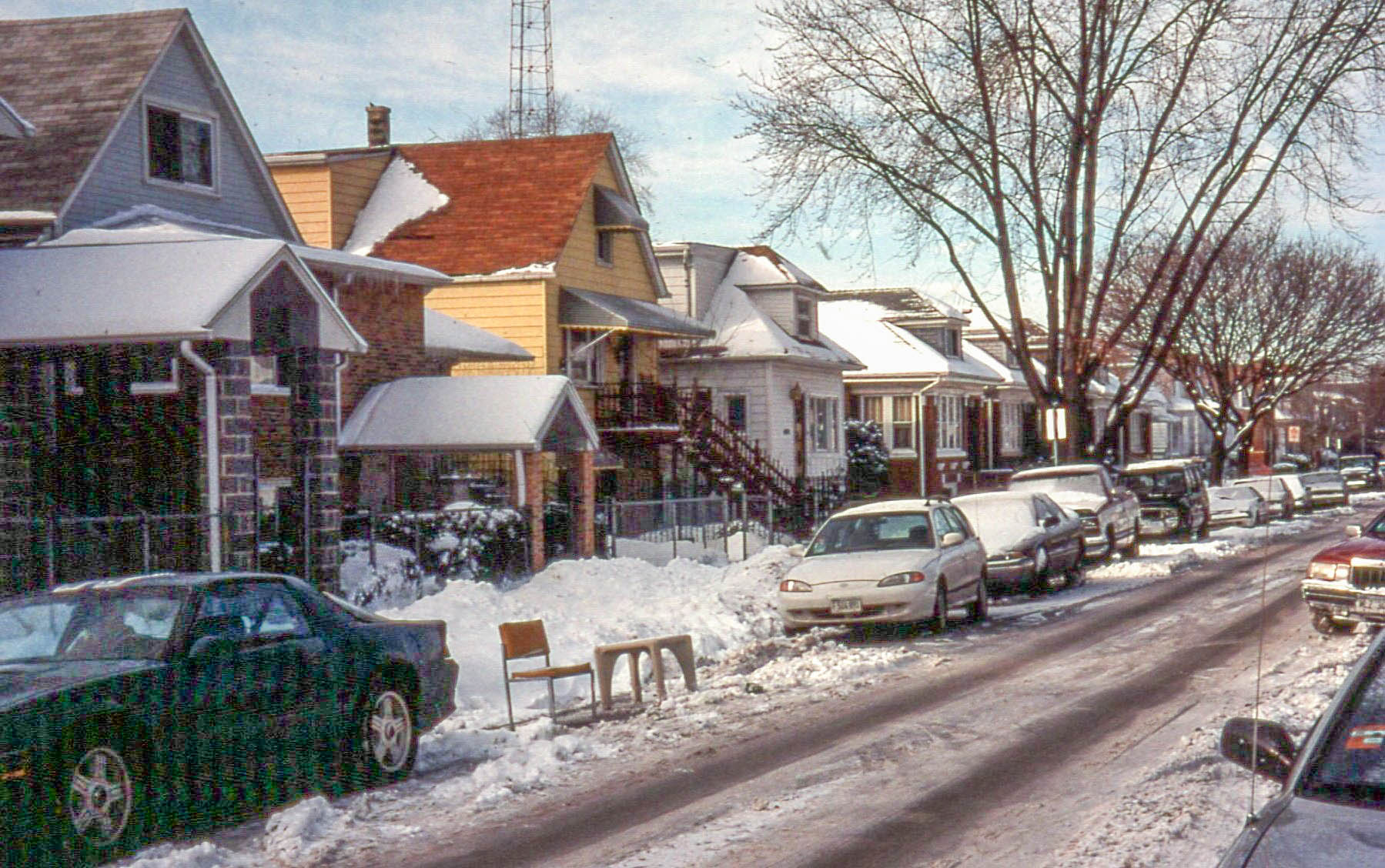
The overnight ban, in place since 1937, prohibits street parking from 2:30 a.m. to 6 a.m. on most blocks. Exceptions exist for designated permit areas and multifamily zones, though even those exclude blocks where more than 50 percent of housing is single-family. Most permits are already sold out.
The Shape Oak Park proposal, drafted by consulting firm Opticos, would consolidate current single-family zones into three neighborhood zones allowing duplexes, two-flats and small apartment buildings village-wide. The Village Board voted 5-1 on July 21 against putting the changes to an advisory referendum, then unanimously referred the proposal to the Plan Commission on July 28 for further review.
Resident Audrey Strode, writing in a letter to the Wednesday Journal, voiced the concern linking the two issues: "If the village permits substantially greater residential density, more households will mean more cars."
Failor argued the market will self-correct. He said developers will likely still build parking because properties without it are harder to market. The state law explicitly preserves local authority over on-street parking regulations, meaning the overnight ban itself is not affected.
The Opticos recommendation document does flag overnight parking on page 26, noting the village's Strategic Vision "identified the overnight parking regulations as an issue warranting review" and that "any changes should be studied carefully and discussed publicly …"
No village body has scheduled a formal review of the overnight ban. The Plan Commission's public hearing on the zoning proposal is tentatively set for Sept. 17, with the first public outreach meeting projected for Thursday, Aug. 27 at 6:30 p.m. at the Community Recreation Center on Madison Street. A final board decision on zoning is not expected until October.